
Image Muskan Building, 1st Floor, opp. Swarna Arcade, Near Udupi Residency Road, Udupi
Image Muskan Building, 1st Floor, opp. Swarna Arcade, Near Udupi Residency Road, Udupi
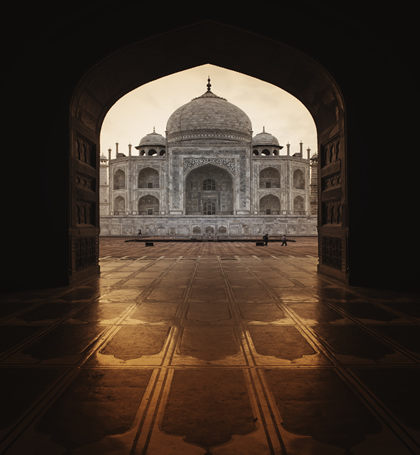
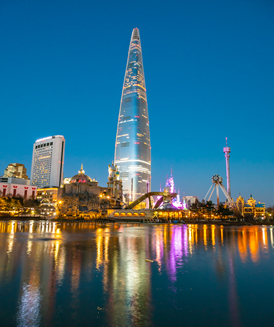

Welcome to Al Zahrah Tourism, your gateway to unforgettable travel experiences. We are a premier travel company dedicated to making your dreams of exploration, whether within your own country or abroad, and spiritual journeys to Umrah and Hajj, a reality.Our services cater to all aspects of travel, from discovering the beauty of your own country to exploring far-off international destinations and embarking on sacred pilgrimages.
Explore the beauty and diversity of your own homeland or venture into the world with our comprehensive domestic and international tourism services. Discover natural, cultural, and historical wonders, whether they are within your own nation or in far-flung corners of the globe.
Embark on a sacred journey to the holy cities of Mecca and Medina with Al Zahrah Tourism's expertly guided Umrah and Hajj services. Our experienced team ensures a smooth and spiritually fulfilling pilgrimage, handling visa arrangements, accommodations, transportation, and providing spiritual guidance.
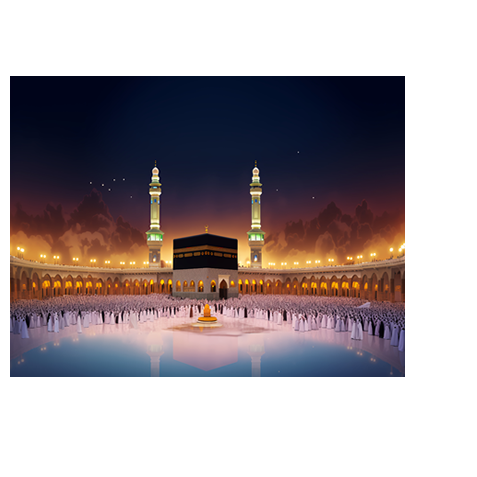

Hajj is one of the Five Pillars of Islam, making it mandatory for Muslims who meet specific criteria. It is a once-in-a-lifetime pilgrimage that must be undertaken by those who are physically and financially able to do so. Hajj is performed during a specific time of the Islamic lunar calendar, primarily in the month of Dhul-Hijjah. It involves a series of rituals, including circumambulating the Kaaba, standing at the plain of Arafat, throwing pebbles at pillars representing Satan, and sacrificing an animal, among other prescribed actions. Pilgrims must wear a special white garment called Ihram and strictly adhere to the prescribed order of rituals.
Umrah, on the other hand, is a voluntary pilgrimage in Islam and is highly recommended but not obligatory. Unlike Hajj, Umrah can be undertaken at any time of the year, subject to visa and travel regulations. It involves fewer rituals, including circumambulating the Kaaba and walking between the hills of Safa and Marwah. Umrah has fewer requirements and less stringent rules compared to Hajj. Pilgrims are not required to wear the Ihram garment, and there is more flexibility in terms of the timing and sequence of rituals.